
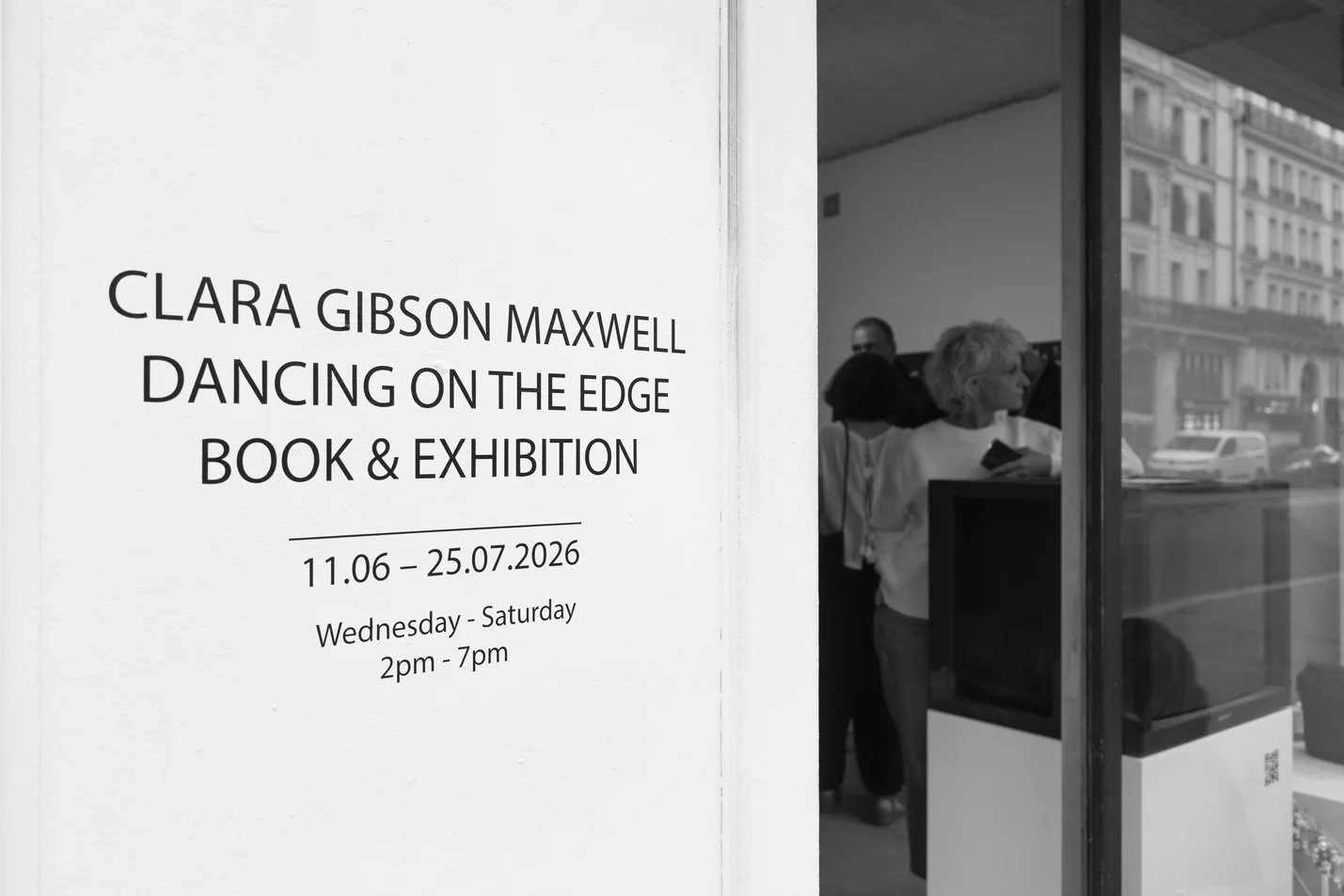
CLARA GIBSON MAXWELL
DANCING ON THE EDGE
11.06 - 25.07.2026
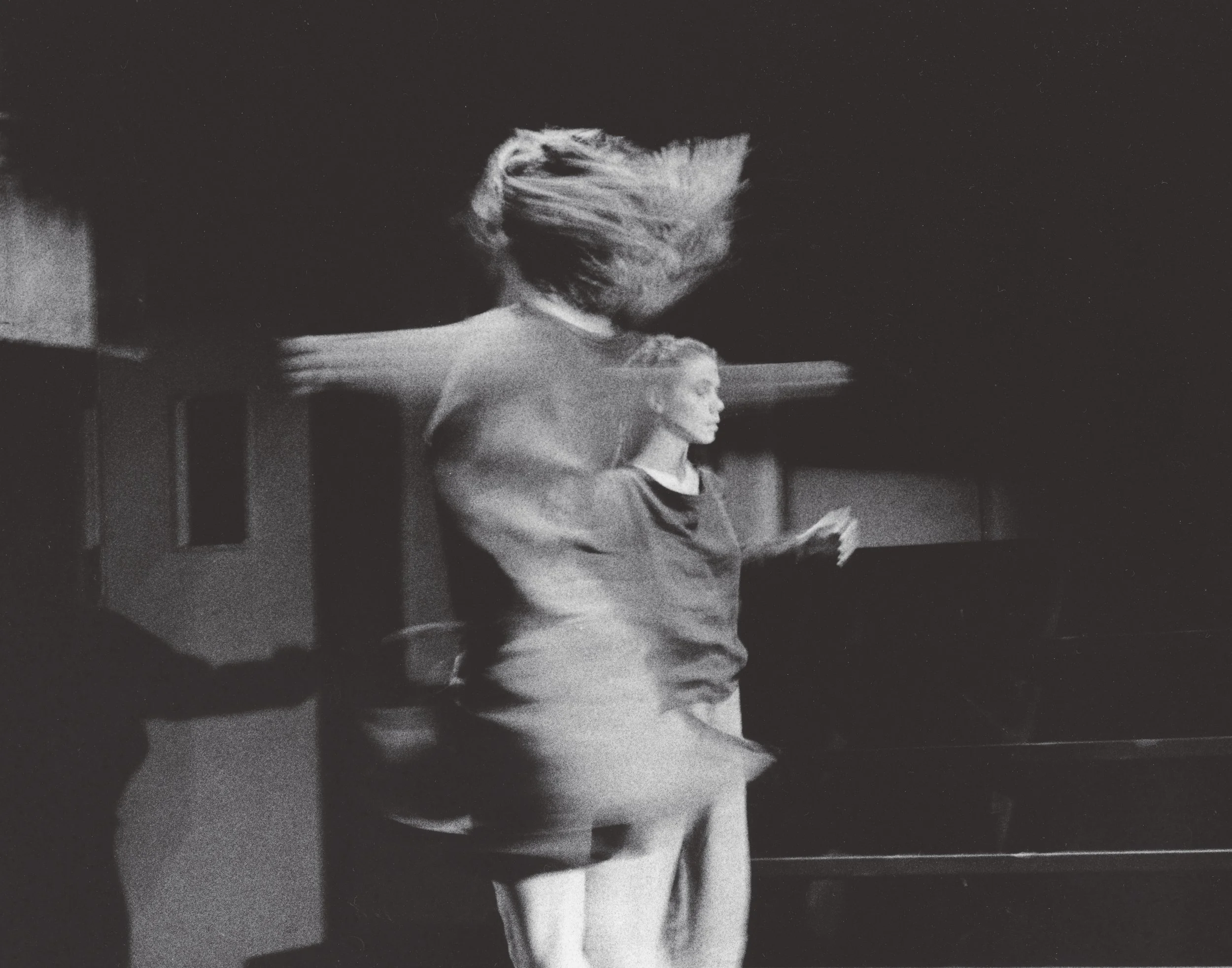
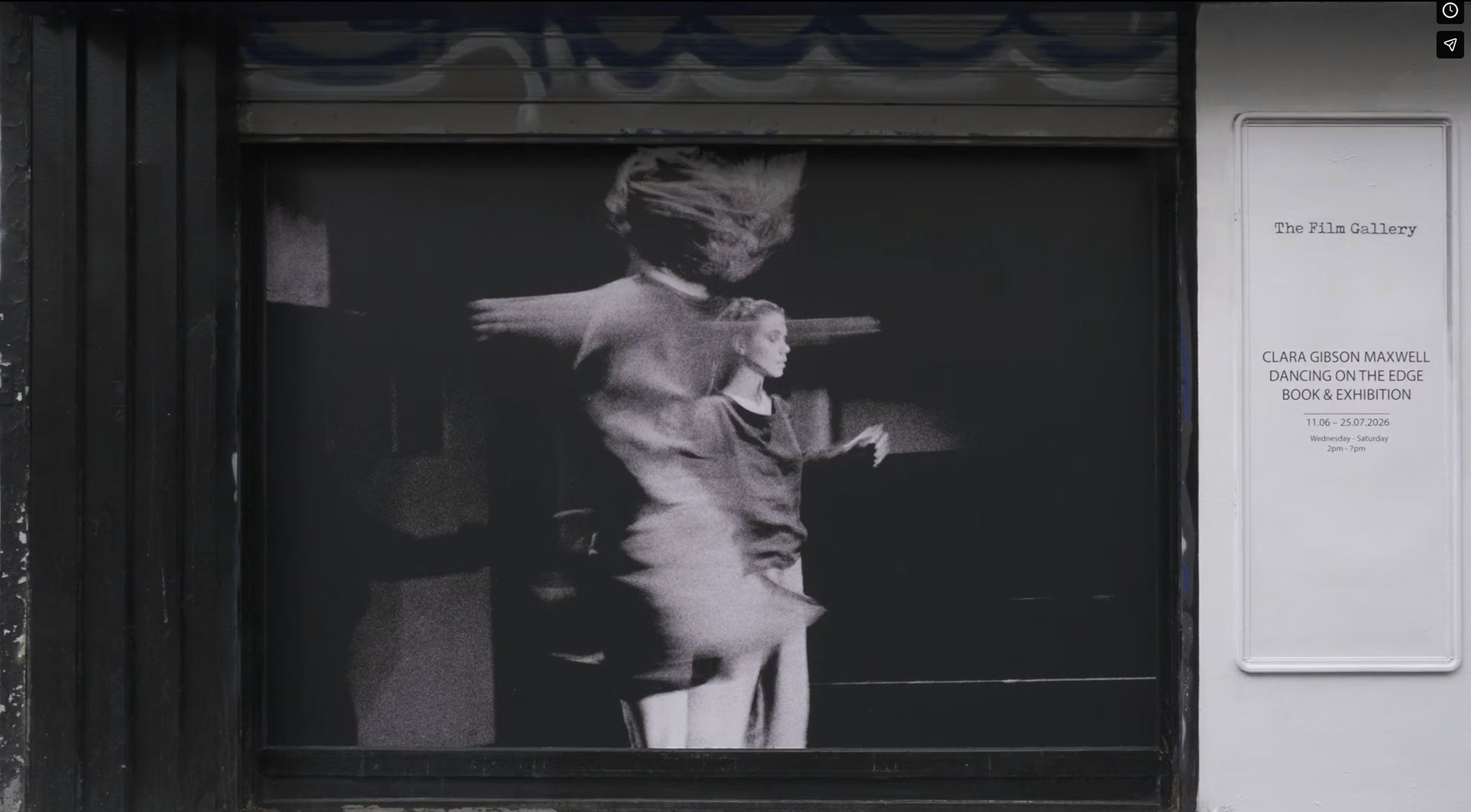
Clara Gibson Maxwell and Isabelle Pierre performing in Corpsensus, Théâtre du Renard, Paris, 1999. Photograph © Johannes von Saurma. Courtesy of the artist
Clara Gibson Maxwell
Dancing on the Edge
Exhibition & Book Launch
June 11-July 25, 2026
Author & curator: Larisa Oancea
Opening & Book Launch:
June 11, 7pm
SPECIAL DANCE FILM PROGRAM
July 1, 6:30-10pm. Tickets required.
CINÉMA L’ARCHIPEL
17 Bd. de Strasbourg Paris 10e
THE FILM GALLERY
43 Rue du Faubourg Saint-Martin Paris 10e
ARCHIPEL x THE FILM GALLERY
01.07.2026
6:30pm
PART ONE
Le Lys, excerpt from La Féérie des ballets fantastiques de Loïe Fuller, George R. Busby (1934) / Courtesy of CN D
Hexentanz, Mary Wigman (1926) / Courtesy of Deutsches Tanzarchiv Köln / SK Stiftung Kultur
Ethnographic Films, Zora Neale Hurston (1929) / Preserved by The Library of Congress
Ritual in Transfigured Time, Maya Deren (1946) / Courtesy of Light Cone
Anagram, Nathaniel Draper (2022) / Courtesy of the artist
Energies, Jim Davis (1957) / Courtesy of Light Cone
The Banquet at Hôtel de Ville (2004), Clara Gibson Maxwell / Courtesy of the artist
Adebar, Peter Kubelka (1957) / Courtesy of Light Cone
Oramunde, Emlen Etting (1933) / Courtesy of Light Cone
Wind, Joan Jonas (1968) / Courtesy of Electronic Arts Intermix (EAI), NY
8:30pm
PART TWO
Pelican, Robert Rauschenberg (1963) / Courtesy of Audiovisual Collection. Robert Rauschenberg Foundation Archives, NY
Totem, Ed Emshwiller (1963) / Courtesy of Cinédoc Paris Films Coop
Film with Three Dancers, Ed Emshwiller (1970) / Courtesy of Cinédoc Paris Films Coop
Thanatopsis, Ed Emshwiller (1962) / Courtesy of Cinédoc Paris Films Coop
Ophélie Song, Antoine Campo et Clara Gibson Maxwell (1989) / Courtesy of the artist
Anthesis, Wei Gao (2026) / Courtesy of the artist
Clara Gibson Maxwell Playing Shakuhachi at Daitoku Ji Monastery (2018), Clara Gibson Maxwell / Courtesy of the artist
In collaboration with Centre national de la danse - CN D
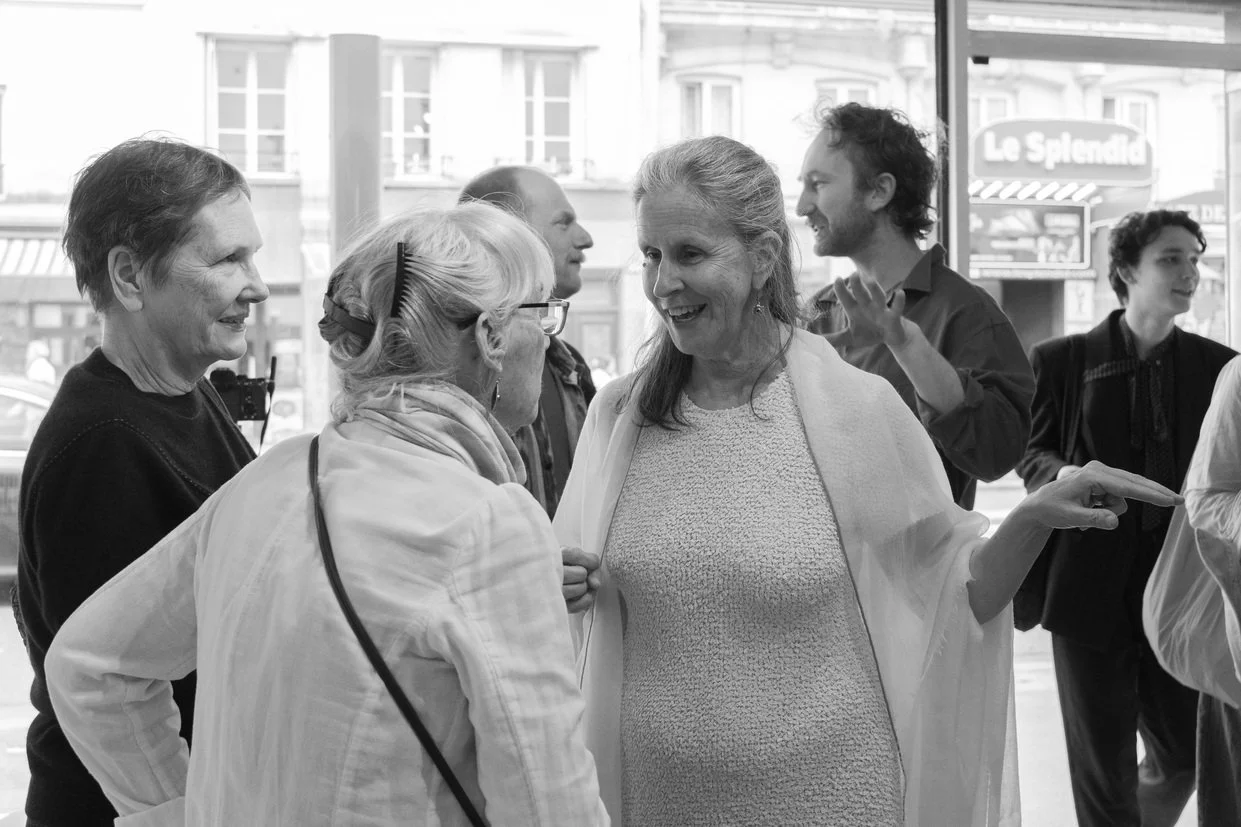
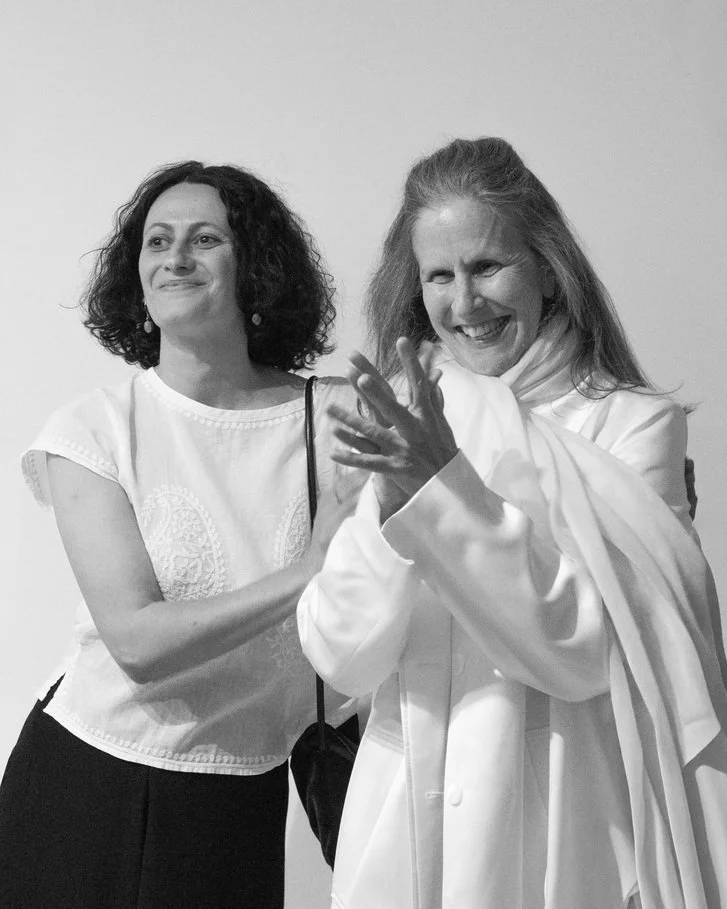
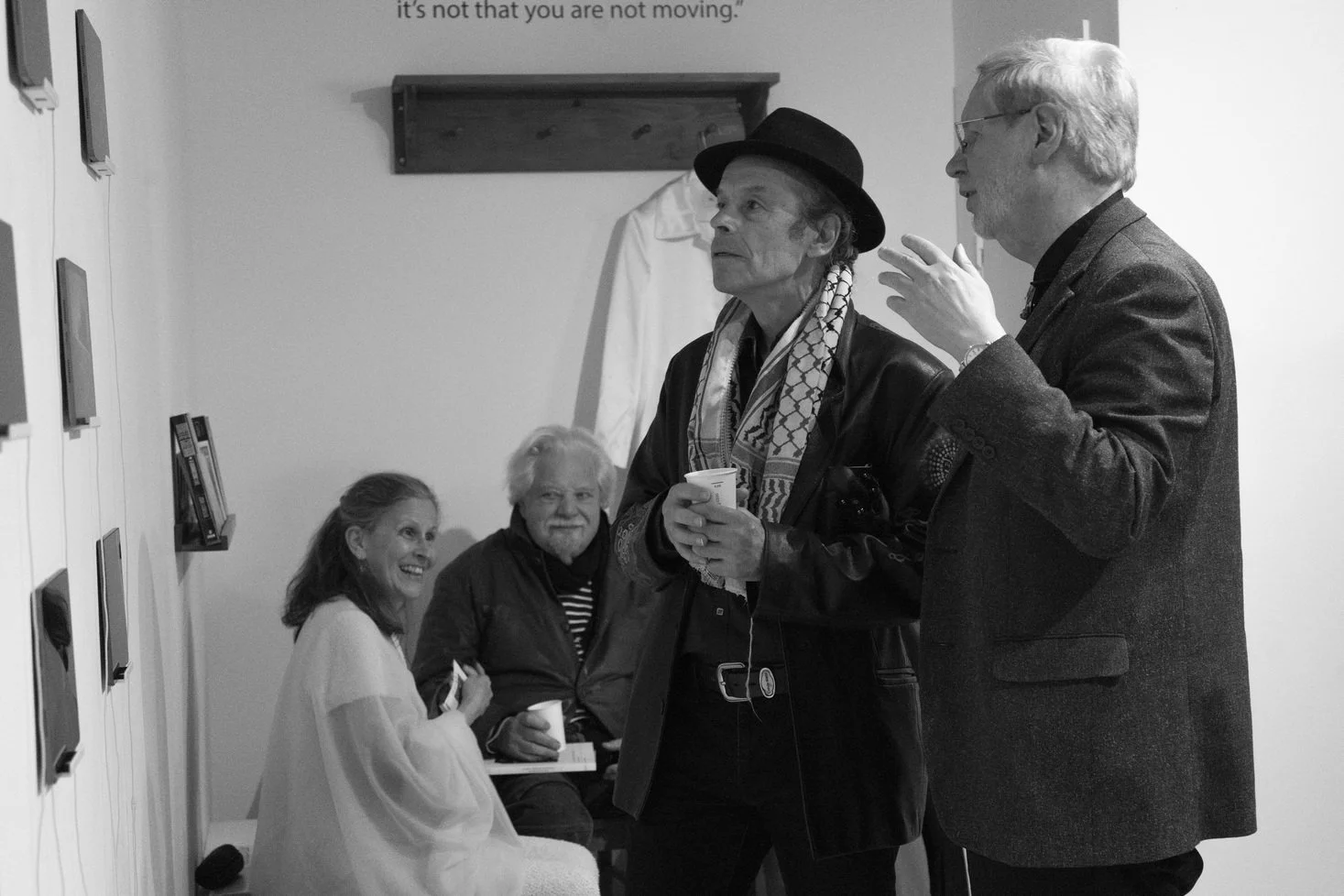
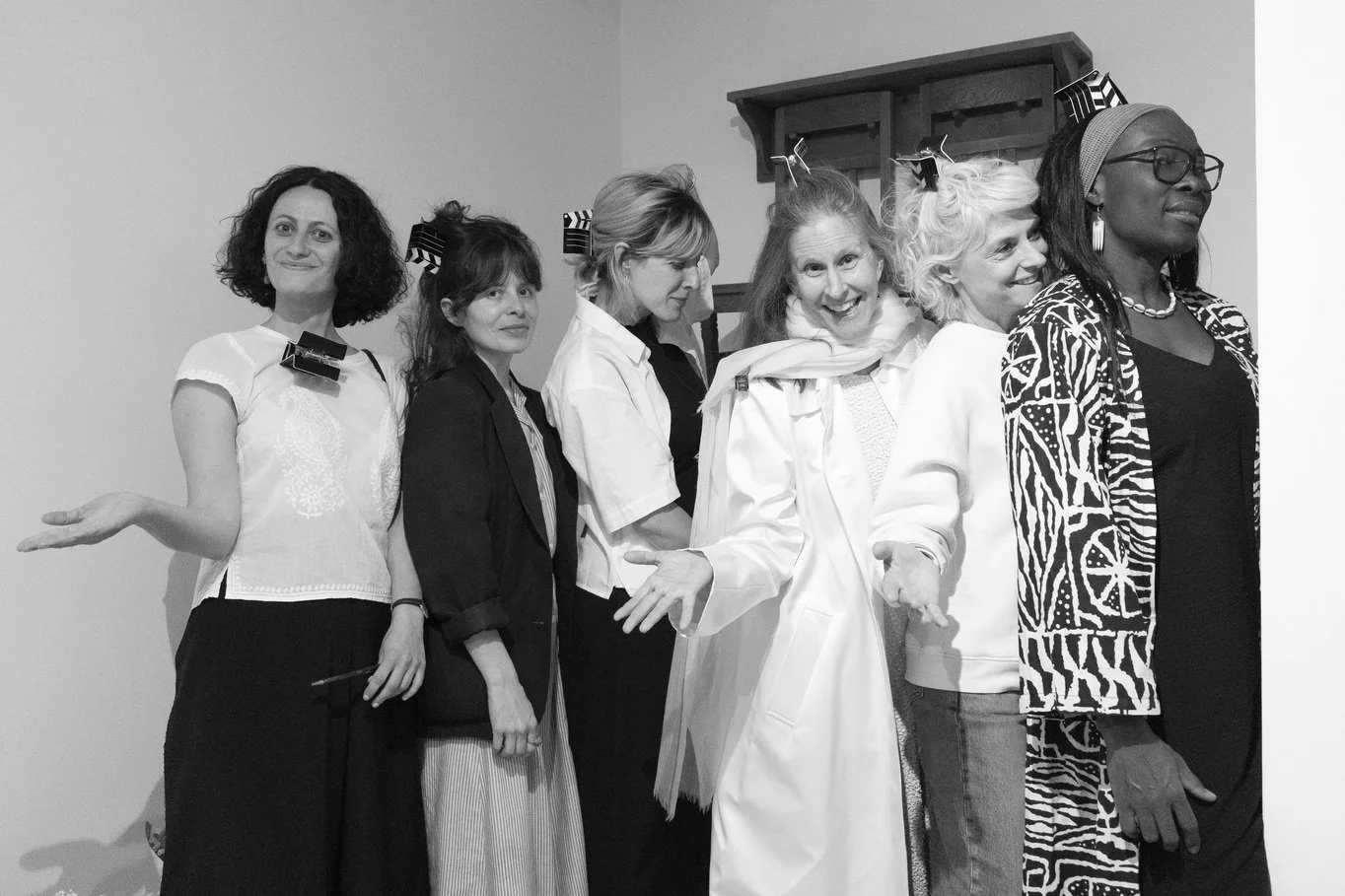
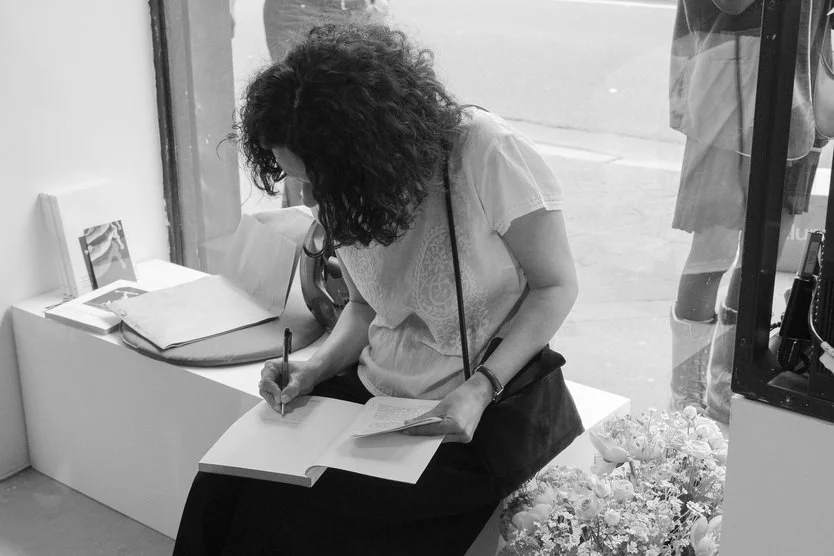
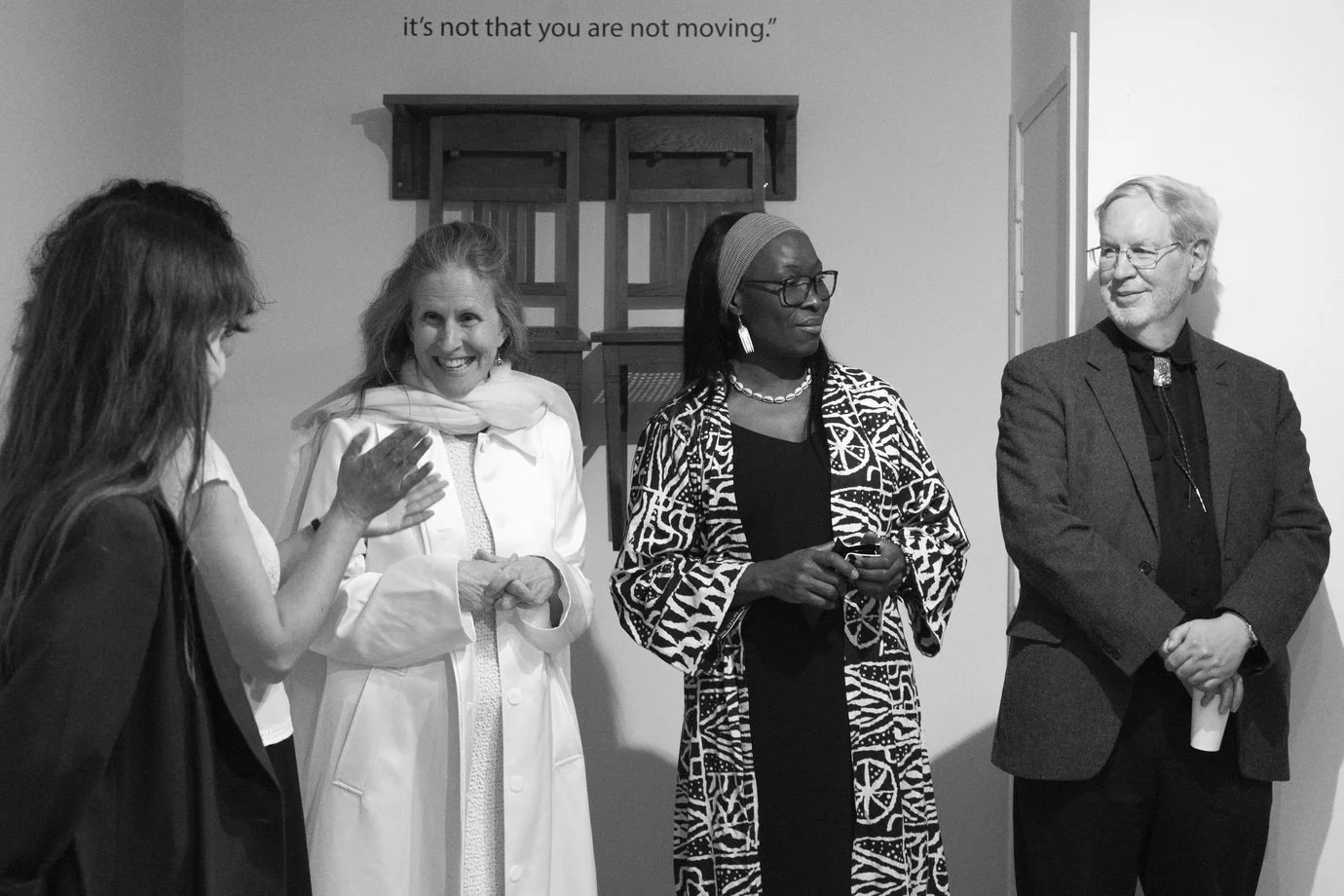
OPENING OF CLARA GIBSON MAXWELL: DANCING ON THE EDGE
JUNE 11, 2026 © LOU BOUSQUET
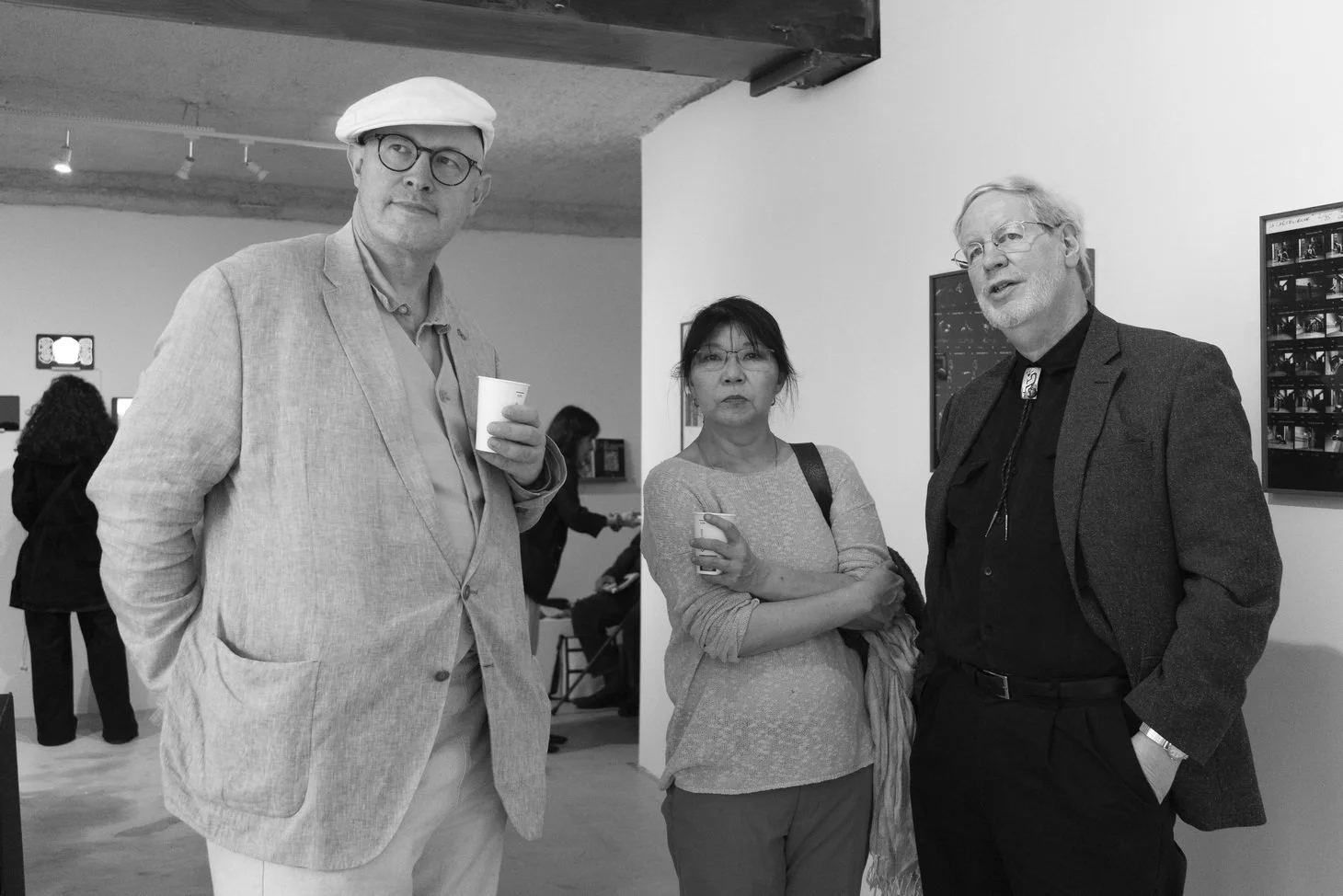
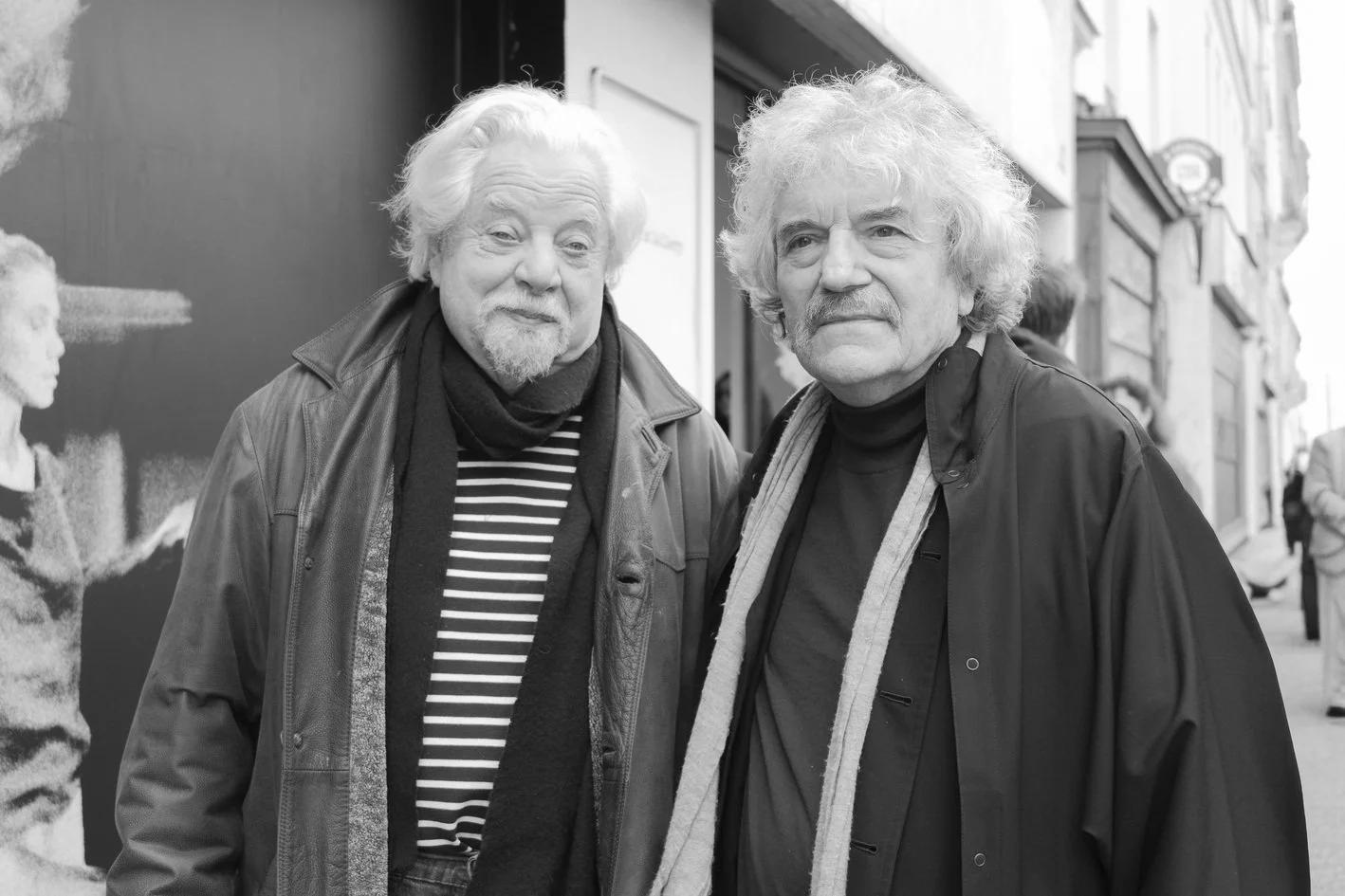
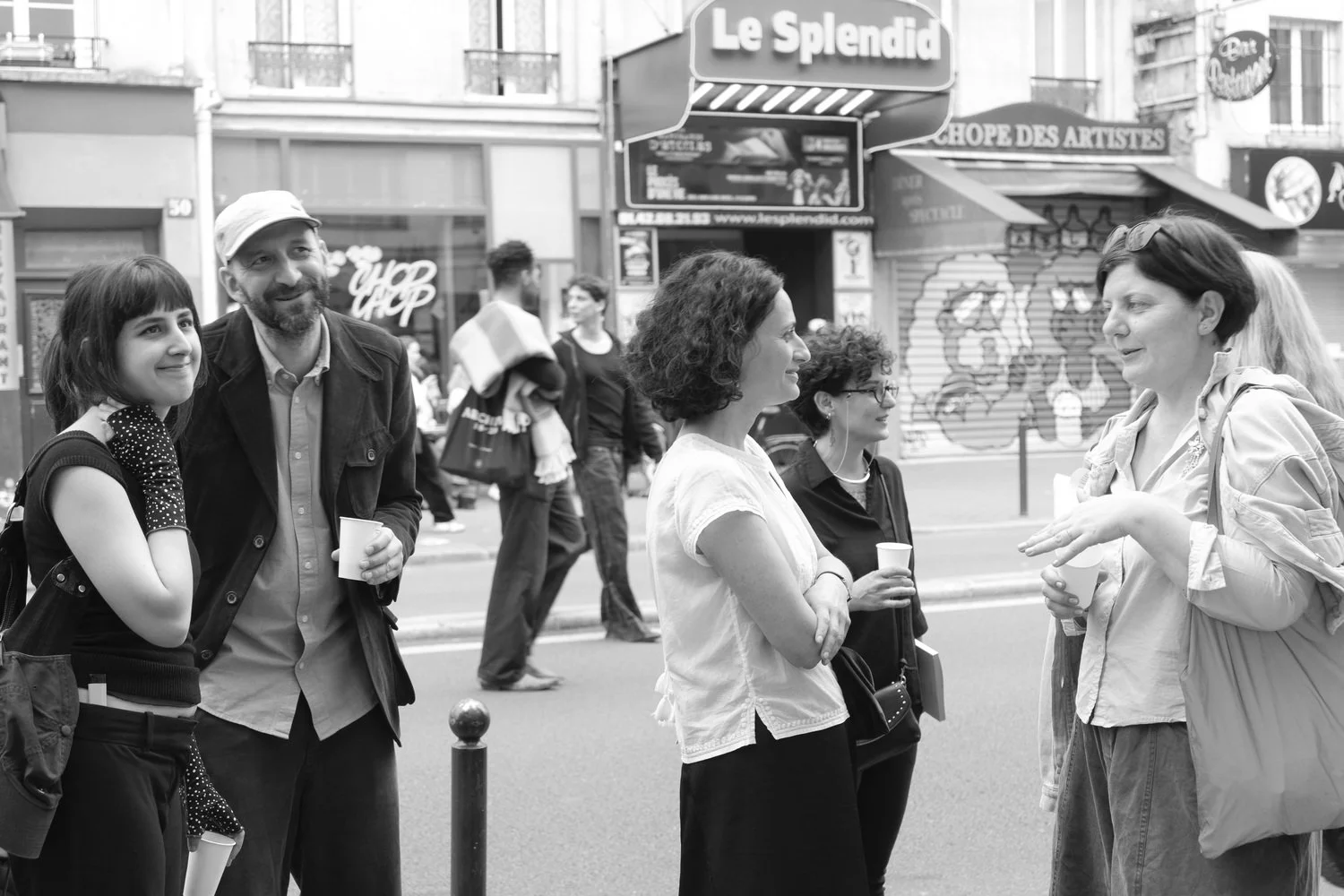
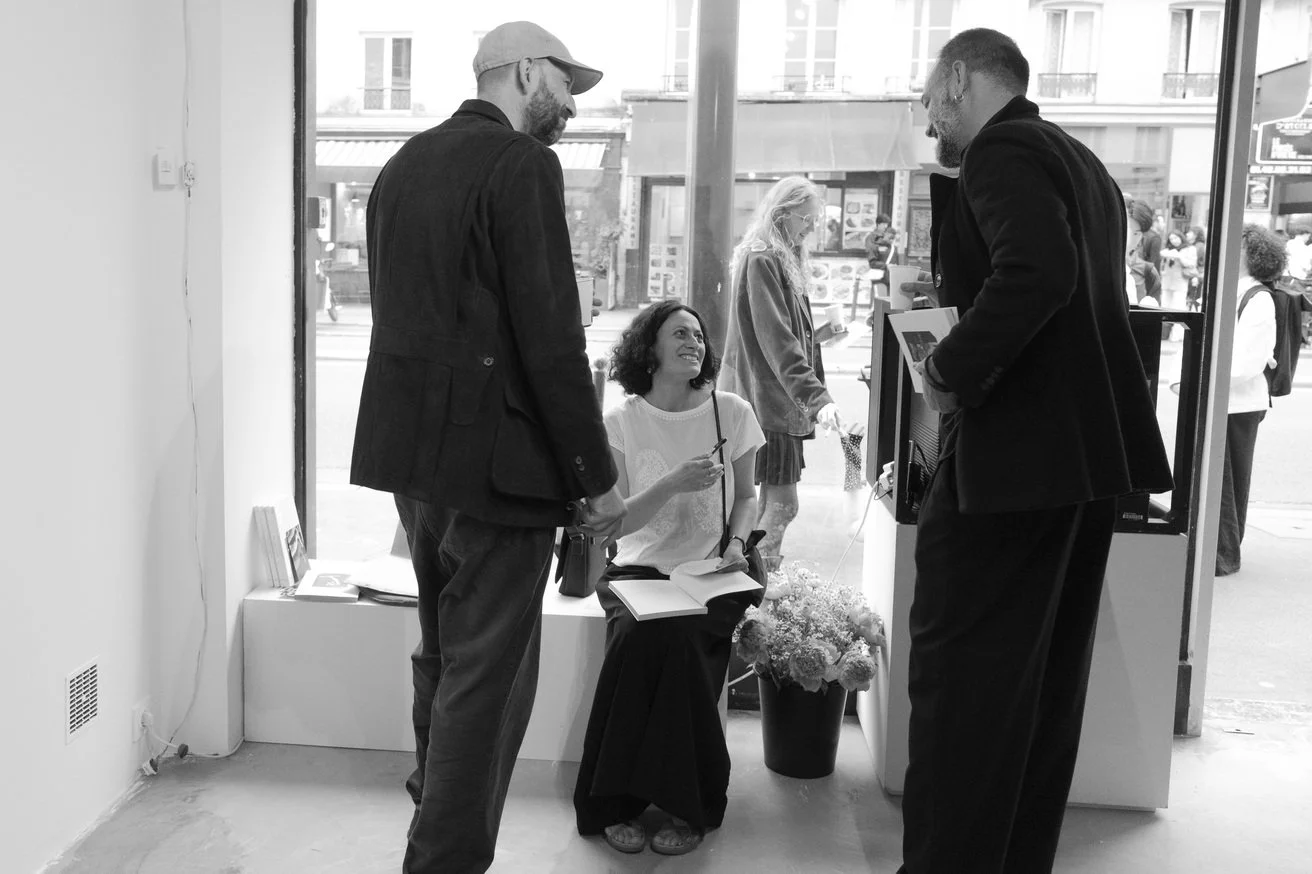
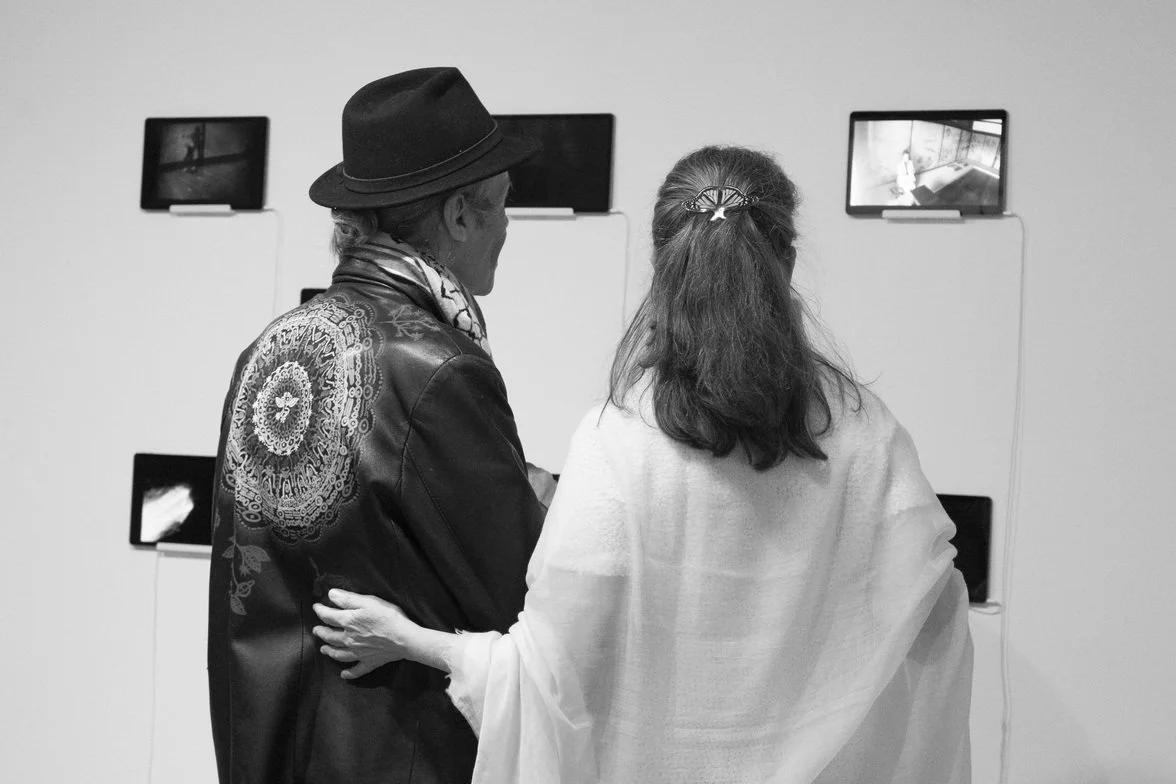
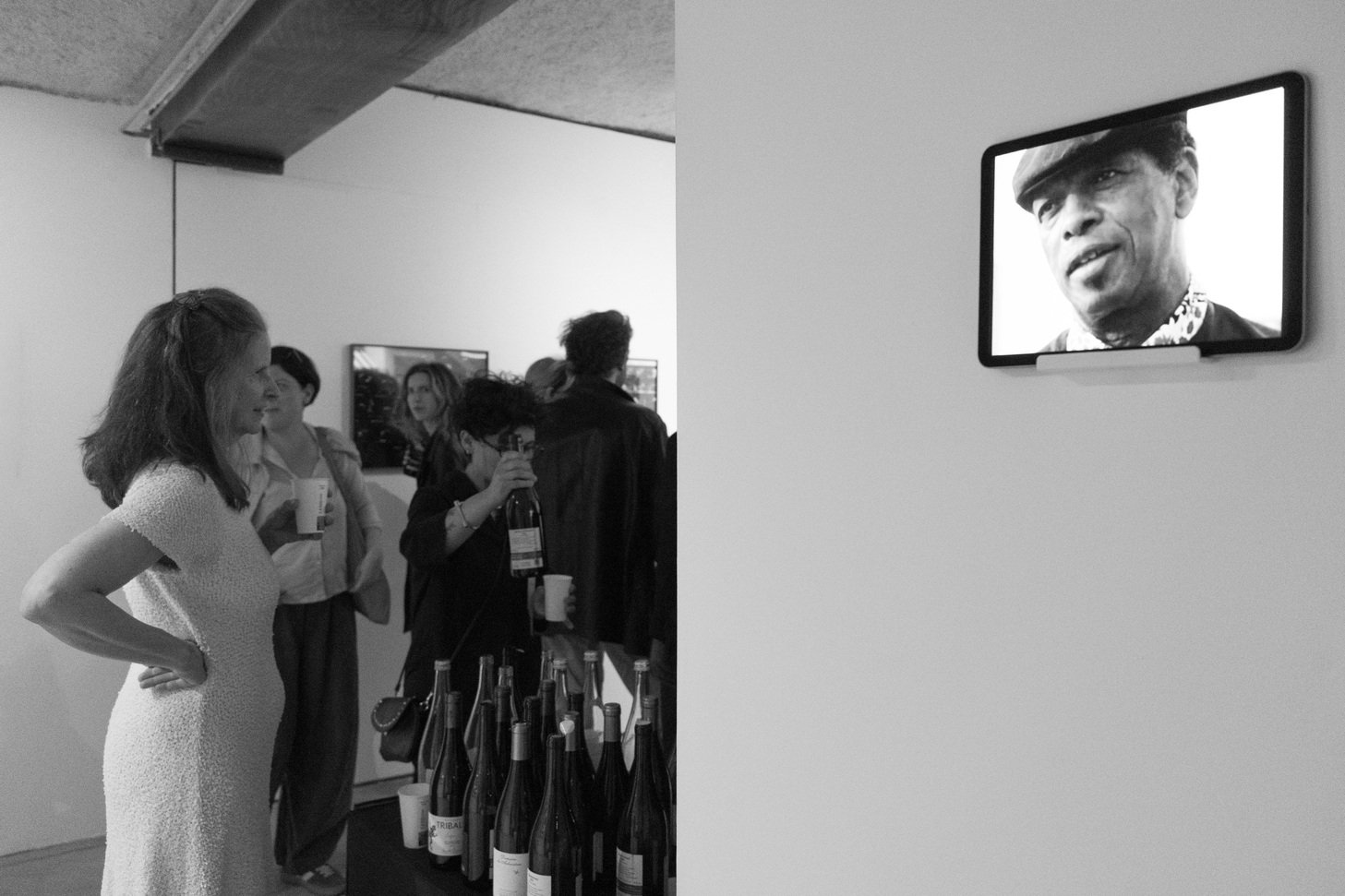
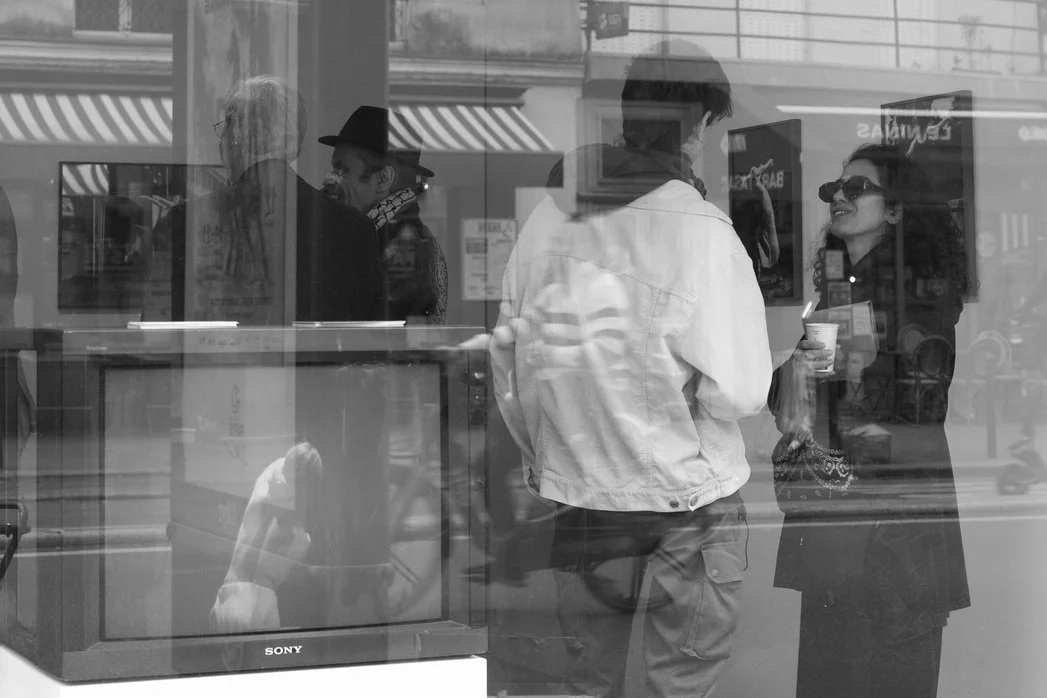
OPENING OF CLARA GIBSON MAXWELL: DANCING ON THE EDGE
JUNE 11, 2026 © OMID HASHEMI
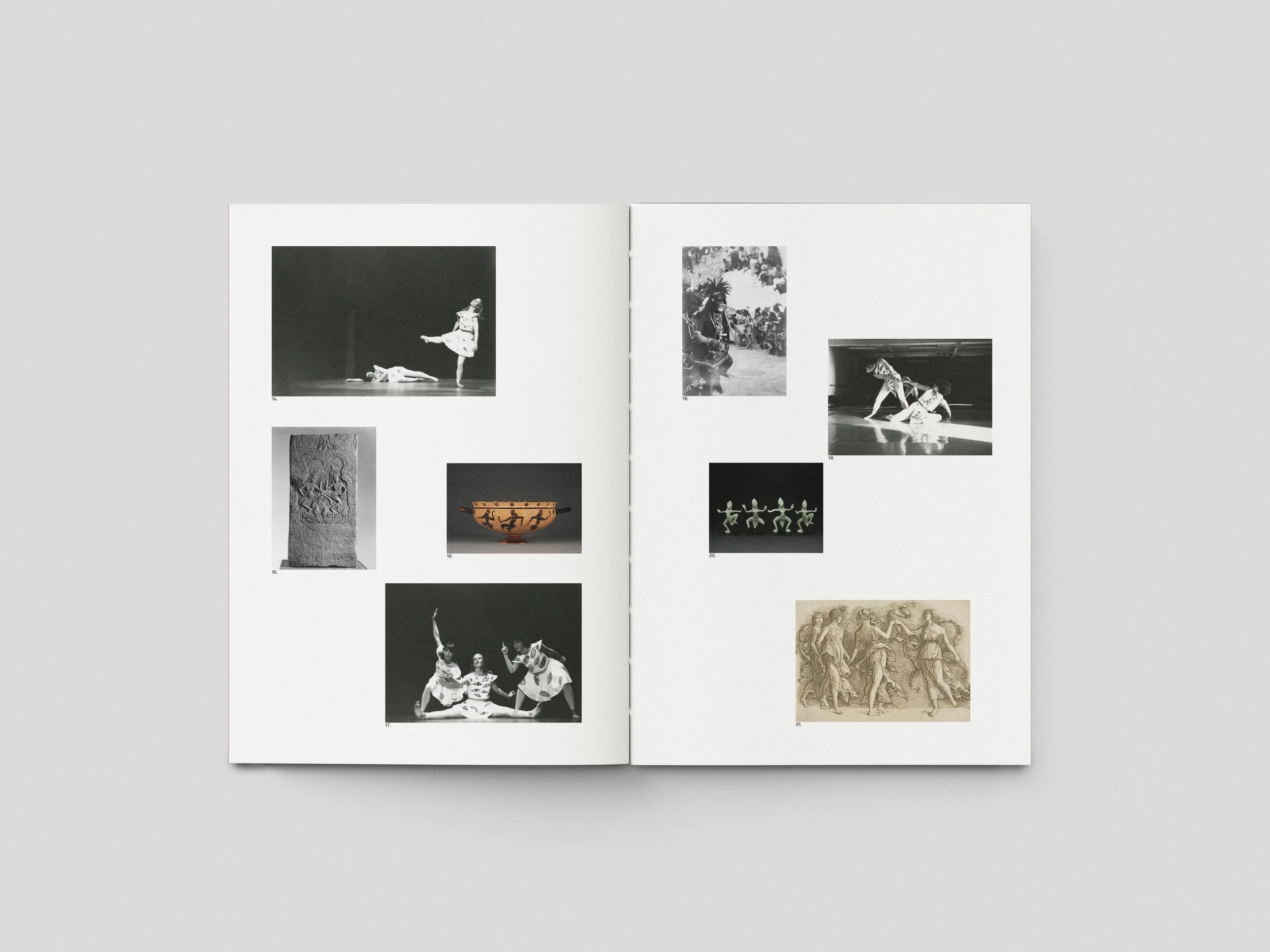
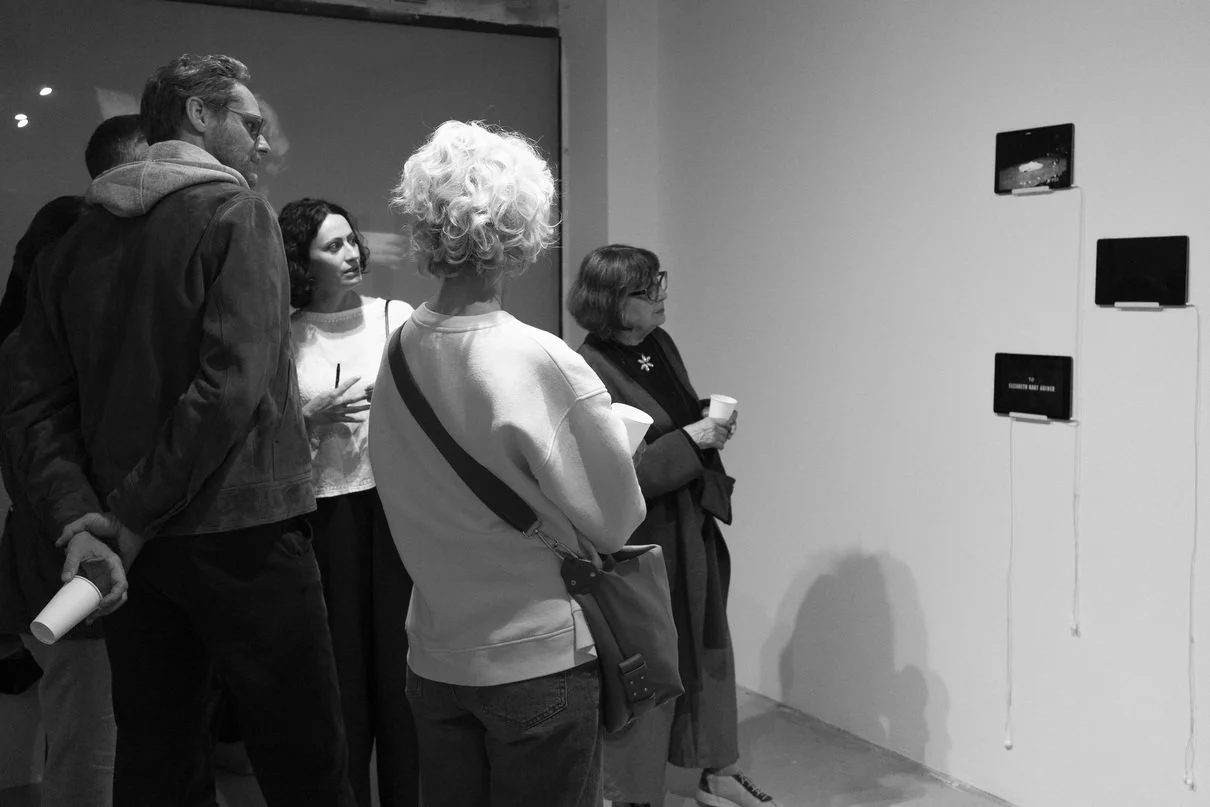
The Film Gallery is pleased to present the first retrospective and monograph dedicated to the American-born dancer and choreographer Clara Gibson Maxwell. Best known for her “site-responsive” performance practice, Maxwell’s work is inspired by a wide range of disciplines, including experimental film, avant-garde music, architecture, philosophy, literature, Zen meditation, and somatic approaches. Rather than adhering to a linear chronology, the exhibition proposes an open field of interactions through which Clara Gibson Maxwell’s choreographic microcosmos can be experienced mentally, kinetically, and sensorially. The curatorial concept is deployed in a restrained, minimal visual language that seeks to distill the essential principles of her practice, further explored in the monograph accompanying the show: stillness within movement, the choreography of philosophical and literary motifs, “site-responsiveness,” and the exploration of embodiment beyond hierarchies through Ornette Coleman’s notion of harmolodics. Clara Gibson Maxwell: Dancing on the Edge is designed as a choreographic device in which images, bodies, objects, and temporalities are configured to facilitate unforeseen dynamic interactions. Gathering photography, moving image, archival materials, sound, and publications, it moves between stillness and motion, contemplation and activation, thereby inventing a shared space in which choreography can extend beyond dance to become an opportunity for organizing attention, circulation, and encounter. The exhibition begins with a suite of photographic works—contact sheets, film stills, and photographic sequences—documenting some of the artist’s emblematic pieces, such as her collaboration with Ornette Coleman (Choros, 1991-1995) and the Cartesian trilogy (1994-1997), as well as her inquiries into gesture, rhythm, temporal suspension, and the edge between stillness and movement. An archival installation conceived as an inhabitable scriptorium invites visitors into an intimate encounter with Maxwell’s intellectual and artistic world. Drawn from the atmosphere of her studios in Paris and Winchester (MA), the installation functions simultaneously as reading room, retreat, and choreographic space. Two suspended chairs may be unhooked and used by visitors, in order to activate the space through gestures of pause, embodied attention, and “thoughtful doing” (Cornelius Castoriadis)—elements central to Maxwell’s philosophical outlook. The filmic core of the exhibition takes the form of a multiscreen video installation composed of eight small-format monitors that are arranged according to an associative logic reminiscent of Aby Warburg’s Bilderatlas Mnemosyne—a methodological practice also present in the monograph. The project approaches montage as a living and time-based experience in which meaning arises through adjacency, resonance, and the viewer’s creation of new connections. While, in the book, images from Maxwell’s archive are interwoven with iconographic motifs from art history, here, video documentation of her choreographic works and dance performances (Ophélie Song, 1989; Corpsensus, 1999; The Banquet at Taliesin West, 2001; Keeping Still Mountain, 2004; Thoreau’s Henhawk Visits Mexico, 2017; among many others) is brought into dialogue with iconic references like Maya Deren and the work of younger artists such as Nathaniel Draper or Wei Gao supported by her arts-educational foundation. Looping continuously across the installation, these moving-image sequences generate shifting visual and conceptual correspondences, producing what might be understood as a polythematic field of relations.
The retrospective concludes with an open-ended sonic and visual arrangement structured around the notion of harmolodics. Here, dancing bodies, Maxwell’s interlocutors over time (Ornette Coleman, Cornelius Castoriadis, and Chris Marker, among others), and visitors alike coexist beyond hierarchy, allowing image, sound, and movement to inhabit the same space without predetermined order or facile resolution. In this sense, as in the conclusion of the homonymous monograph, Clara Gibson Maxwell: Dancing on the Edge functions as an opera aperta: an open work continuously activated through experiential use and altered perception, where choreography is no longer limited to the body on stage but spontaneously emerges in the relationship between viewers, images, sounds, texts, and the surrounding gallery space.
In conjunction with the exhibition at The Film Gallery, a special film program dedicated to choreography, presented across two programs, will take place at Cinema L'Archipel on July 1. More details soon.
This exhibition and publication were developed as part of Clara Gibson Maxwell: An Editorial and Curatorial Project, with the generous support of Appalachian Springs Foundation and fiscally sponsored by Fractured Atlas.
ABOUT THE ARTIST
Clara Gibson Maxwell (born 1958) is an American dancer and choreographer who has been living in Paris since 1985. Her transdisciplinary work both blends and interrogates dance, philosophy, avant-garde film, experimental music, architecture, and somatic practices. Maxwell began her academic journey at Harvard University in 1976, studying philosophy and visual arts, before earning a BFA in dance from the Juilliard School in 1984. Her artistic vision has been shaped by such central dance figures as Anna Sokolow, Hanya Holm, and Antony Tudor. After a brief engagement with the Brooklyn Dance Ensemble, she moved to Paris and collaborated with choreographers Kō Murobushi, Christine Bayle, Andy de Groat, and Jerome Andrews, among others. The friendship Maxwell struck up in 1990 with Ornette Coleman led to her decades-long effort to extend his musical philosophy (harmolodics) to dance. From her seminal choreography and performance in Ophélie Song (1989), a “rock opera” presented in Paris, New York, and Edinburgh, to “site-responsive” performances at Le Corbusier’s La Tourette monastery, Frank Lloyd Wright’s Taliesin West, and the Daitoku-ji Temple in Kyoto, Maxwell’s oeuvre has enjoyed a distinct international presence at the edges of established institutions. Her videodance work includes Encuentro-Encuentro and Thoreau’s Henhawk Visits Mexico, which have been screened across Asia, Europe, and North America. In 2014, she created the Appalachian Springs Foundation, which promotes egalitarian, multidisciplinary arts-educational initiatives and has supported projects ranging from jazz recordings to experimental films. Maxwell continues to explore the intersections of dance, philosophy, architecture, and music while nurturing novel experimental-experiential collaborations.
ABOUT THE AUTHOR
Larisa Oancea (born 1987) is an art historian and researcher working between Southern France and Venice, Italy. She holds a Ph.D. from the National University of Arts in Bucharest, where her research examined how Renaissance art influenced European cinema, from Sergei Eisenstein to Derek Jarman and Peter Greenaway. Trained in both art history and anthropology, her writing explores the dialogue between film, painting, performance, and visual culture, tracing how disciplines inform and transform one another. Over the past decade, she has collaborated on research, production, and cultural mediation projects with institutions including La Biennale di Venezia (Swiss, German, and Romanian Pavilions), Triennale di Milano, Fondazione Prada, and Fondazione Pino Pascali. In parallel, she has worked at Studio 454 in Venice, co-curating exhibitions such as Burning Matter, Folded Cities, and Text as Image. In 2024, she curated Oh Boy, It’s a Girl!A Short History of Artists’ Books Made by Female Artists at Artep Gallery. She is the author of Nancy Spanier: The Arc of a Dancing Life (Performance Inventions, 2021) and the newly published Clara Gibson Maxwell: Dancing on the Edge (The Film Gallery, 2026).

Clara Gibson Maxwell in Corpsensus, Théâtre du Renard, Paris, 1999. Photograph © Johannes von Saurma. Courtesy of the artist

Rehearsals for La Cartésienne, choreographed by Clara Gibson Maxwell, École de danse Marcelle Bourgat, 1995. Photograph © Peter Perazio. Courtesy of the photographer
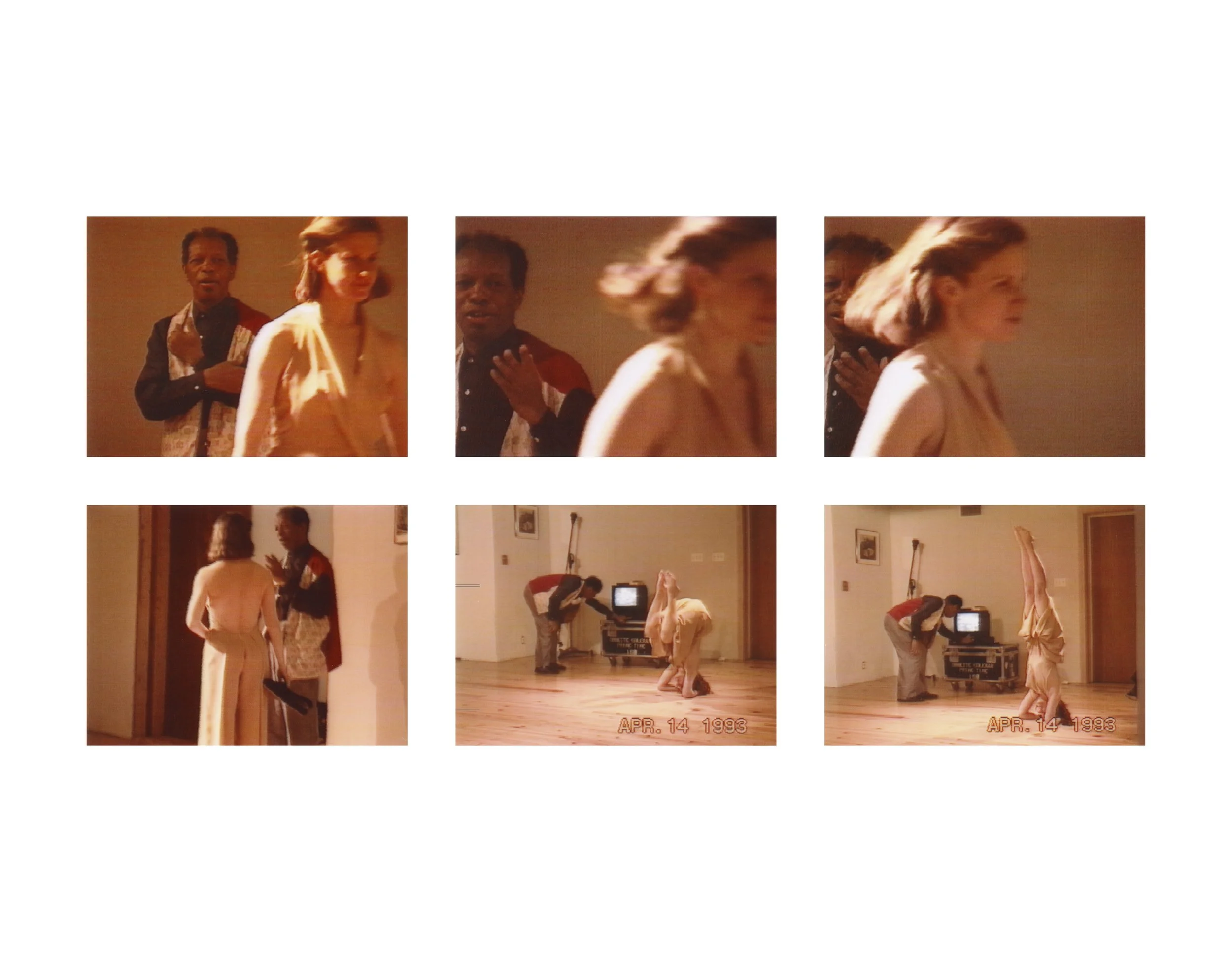
Clara Gibson Maxwell rehearsing with Ornette Coleman in his Harlem studio, in preparation for Choros, 1993, video stills. Clara Gibson Maxwell Archives. Courtesy of the artist
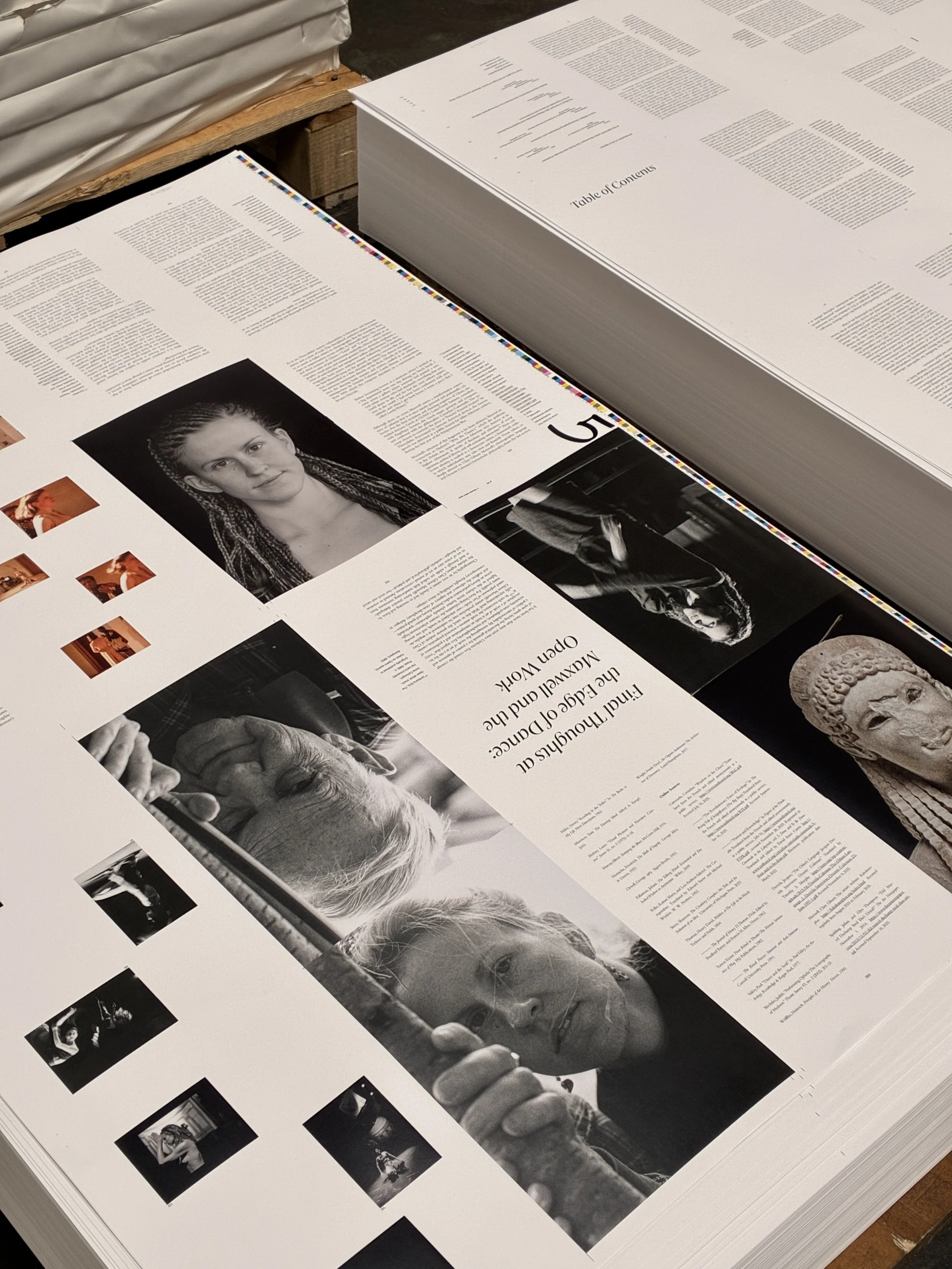
CLARA GIBSON MAXWELL: Dancing on the Edge
by Larisa Oancea
Published by The Film Gallery, Paris
Book Design by Yogurt Creative Agency, Rome
Printed on water by Grafiche Veneziane, Venice
176 pages; 23 x 16.5 cm
€30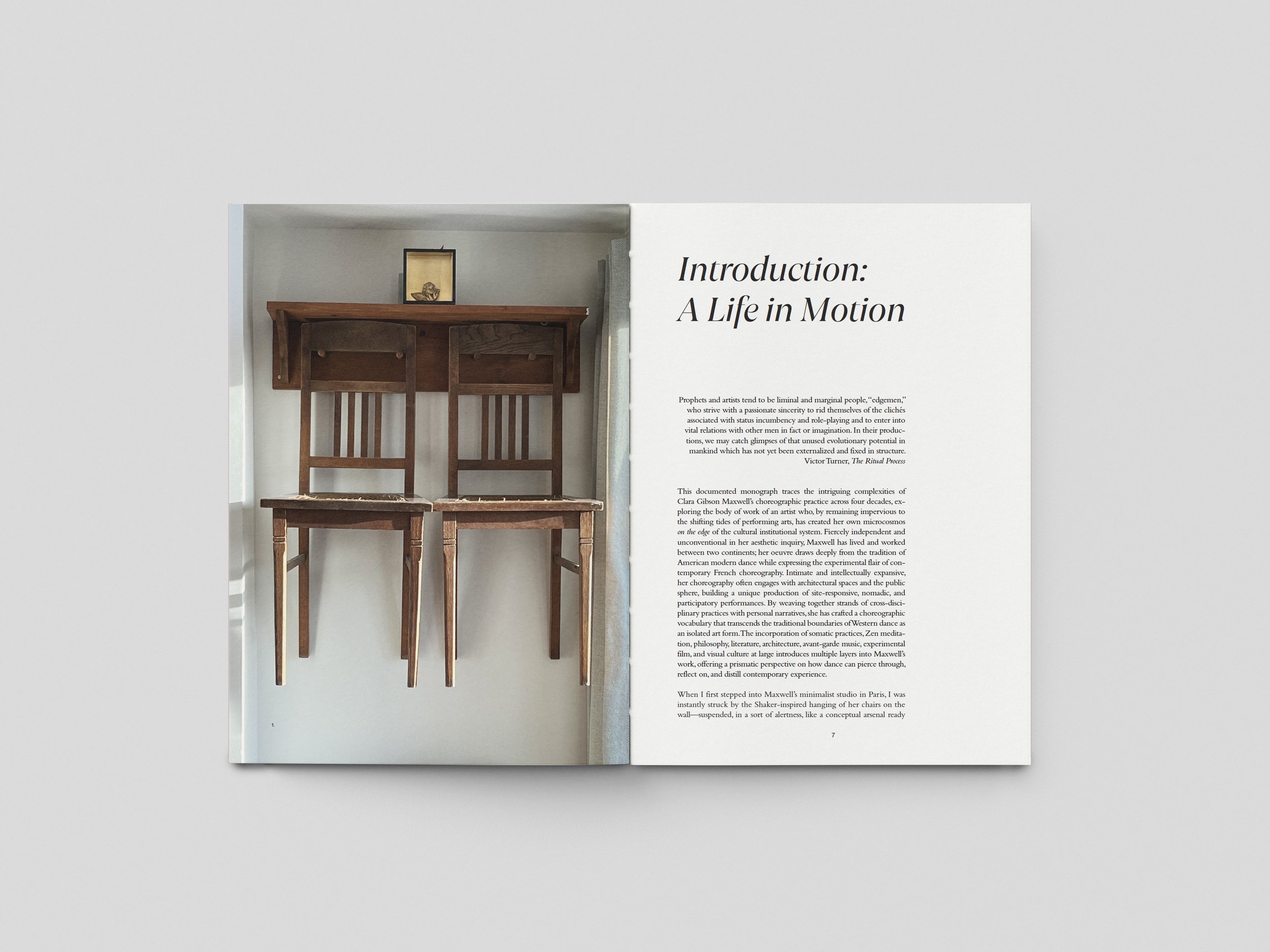
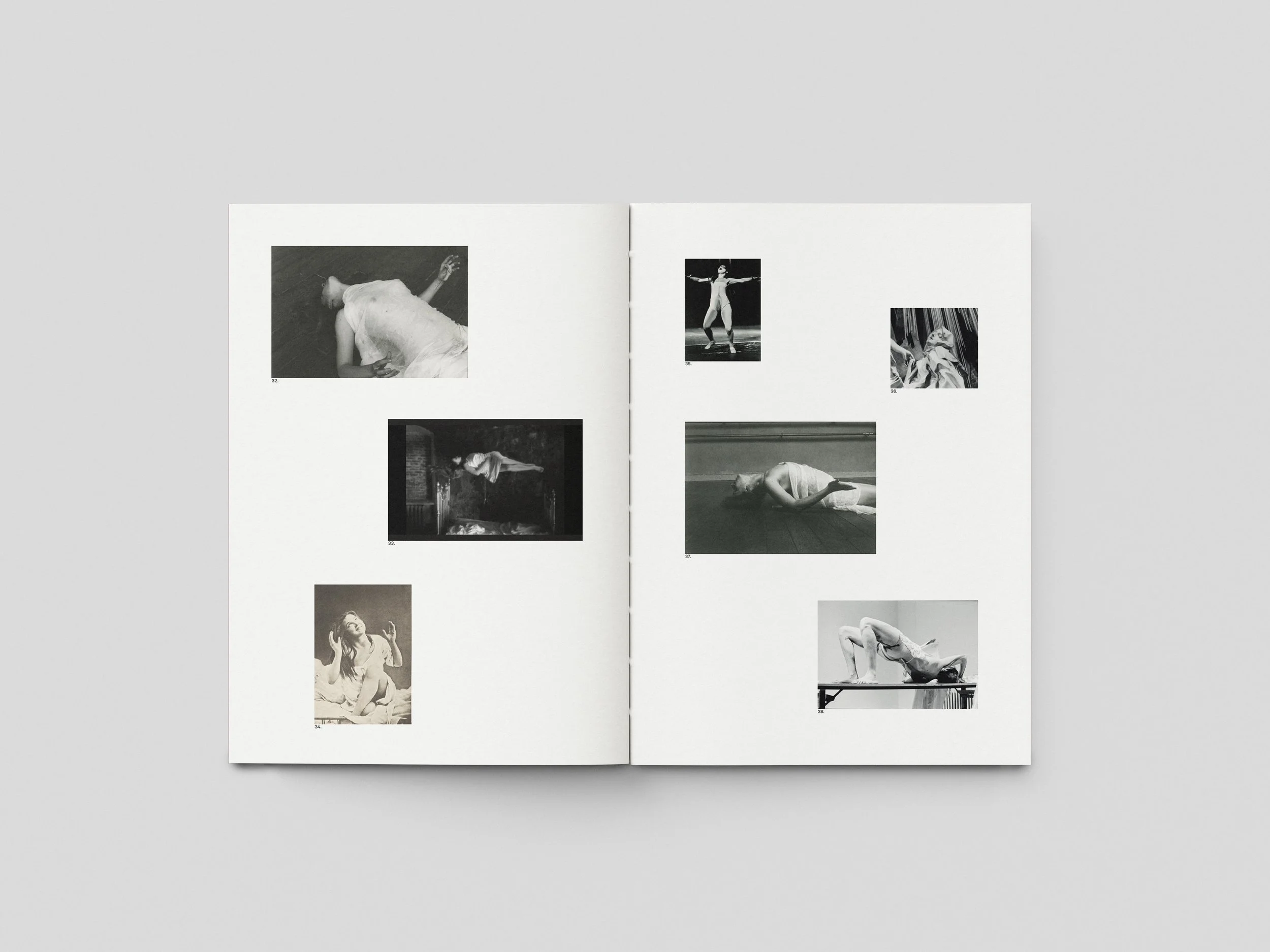
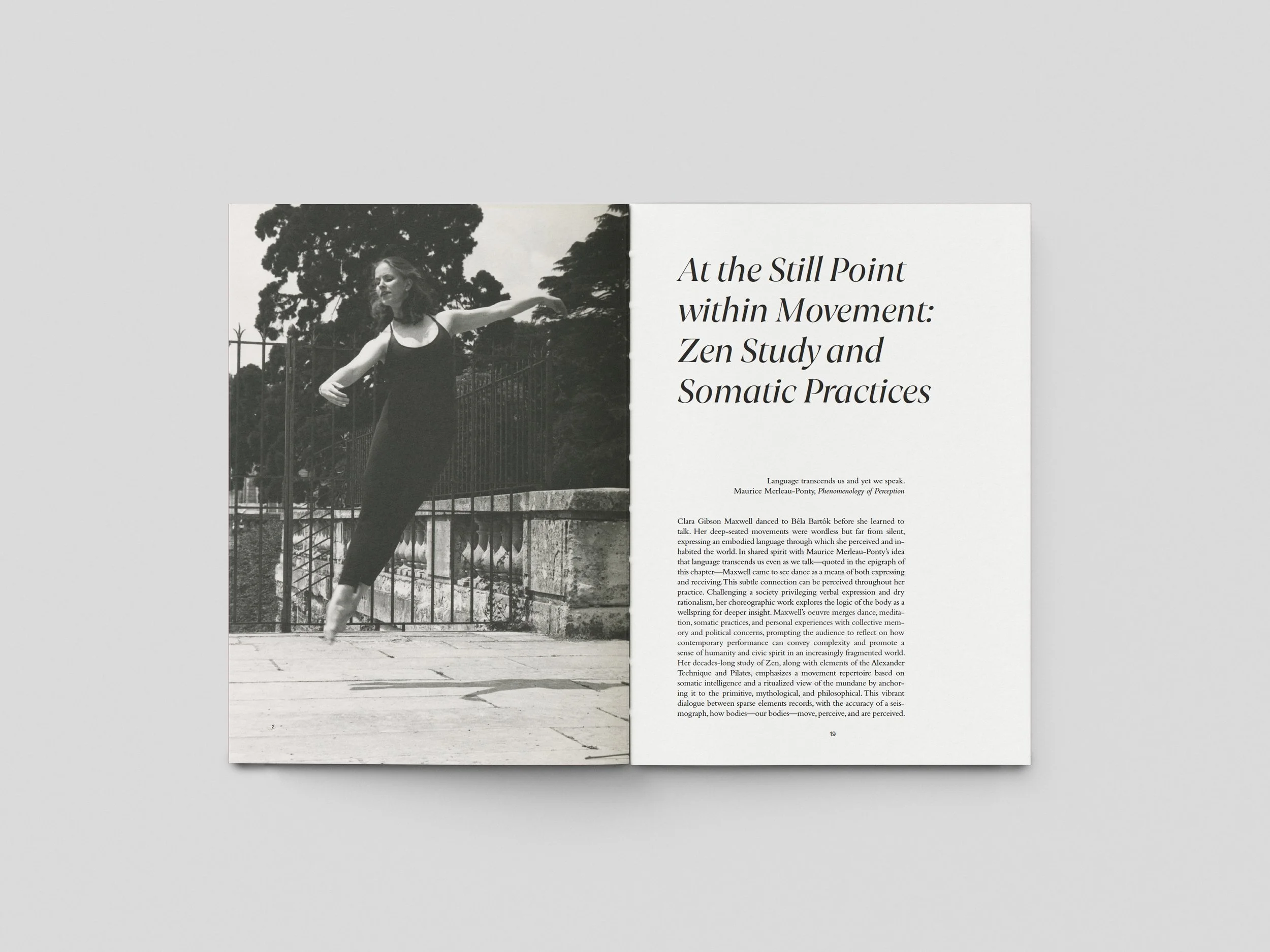
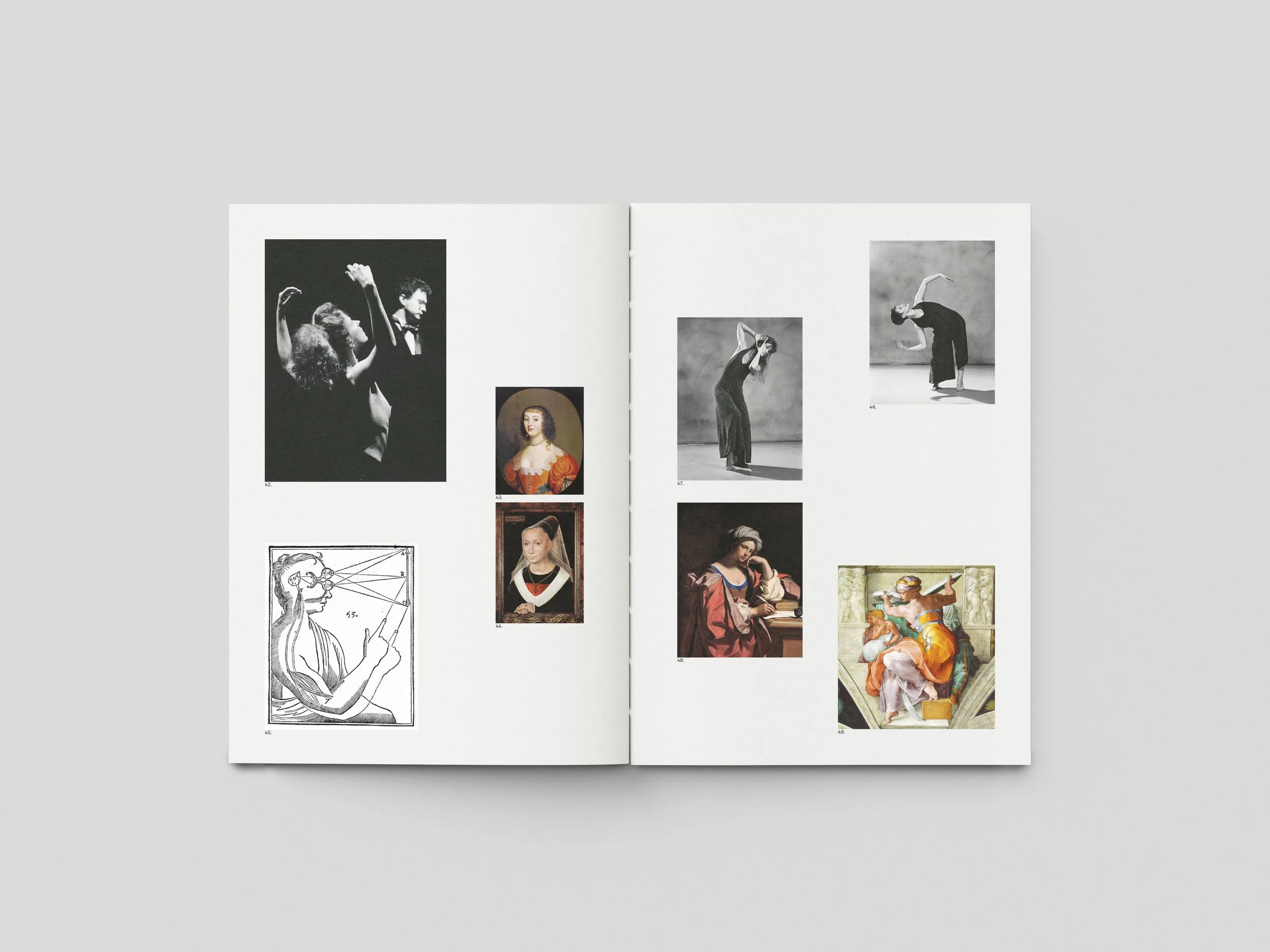

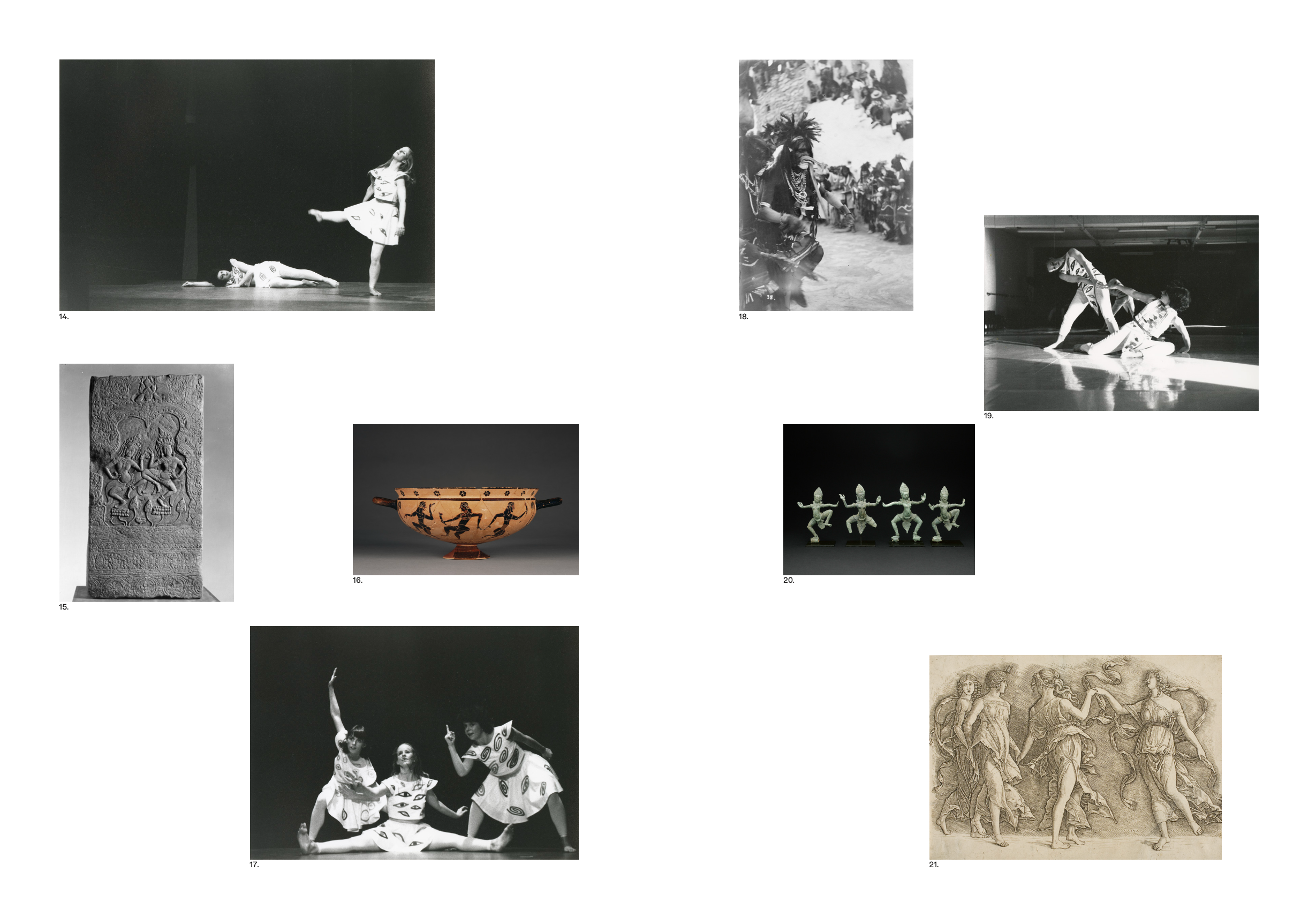
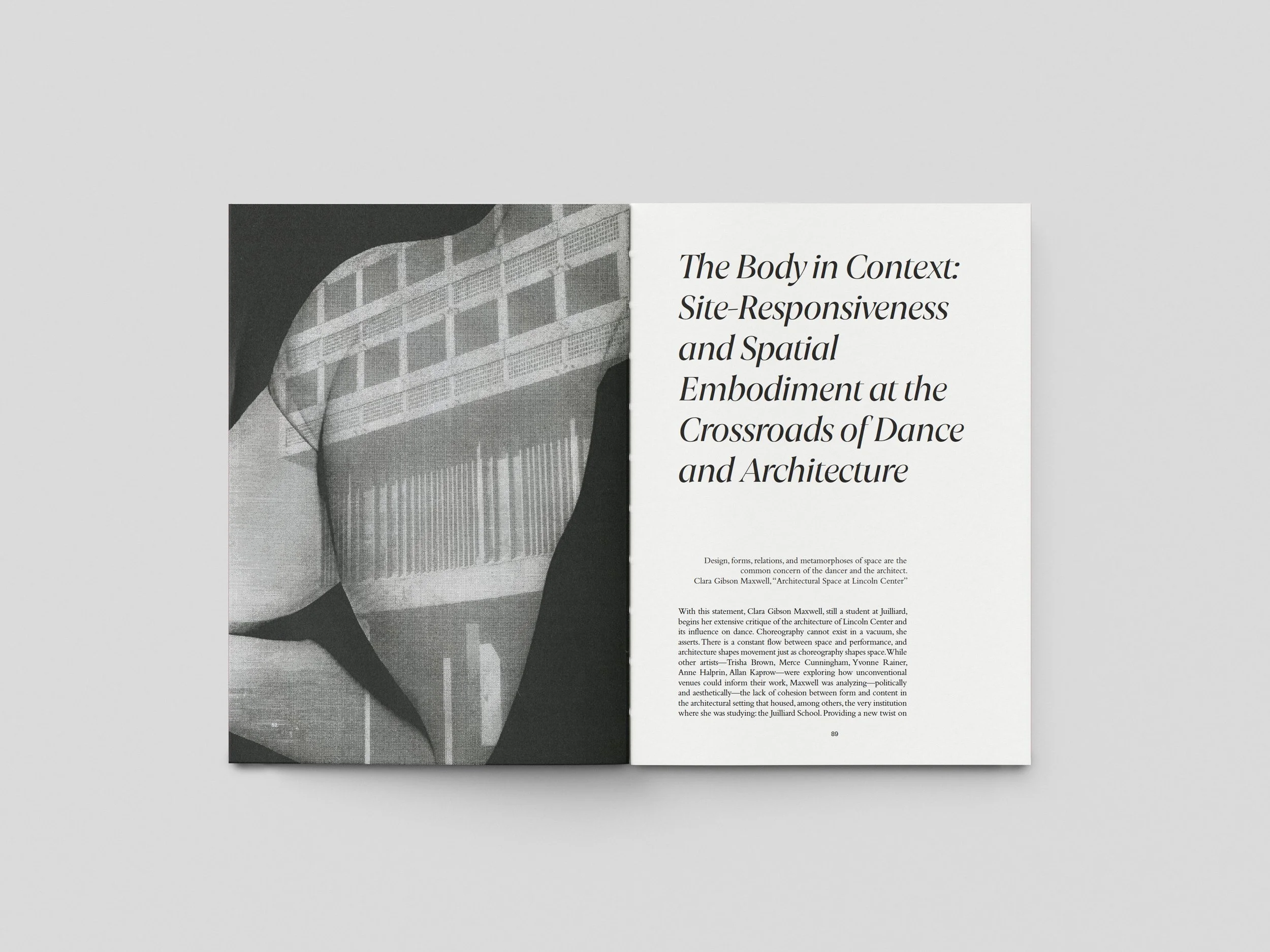
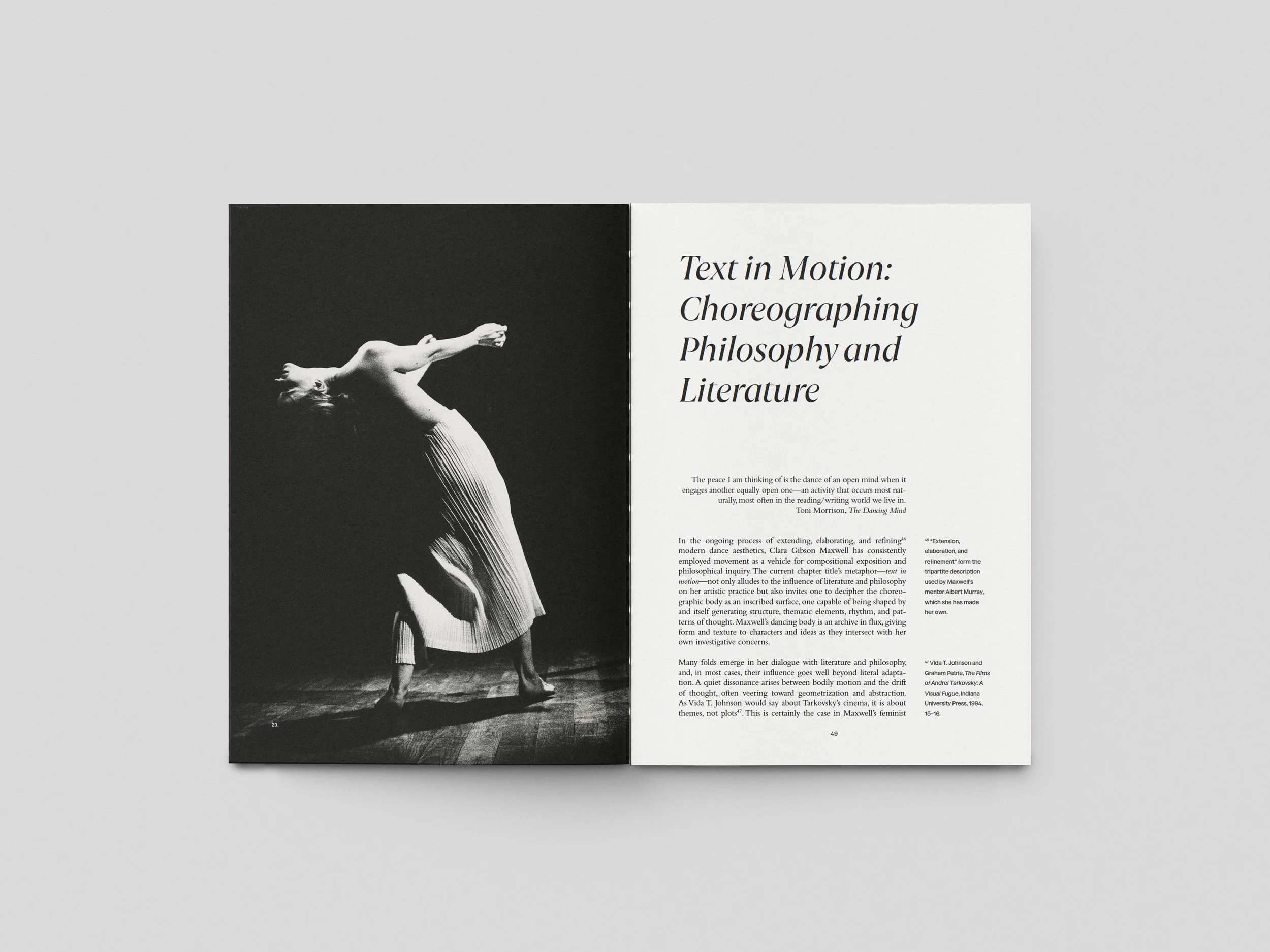
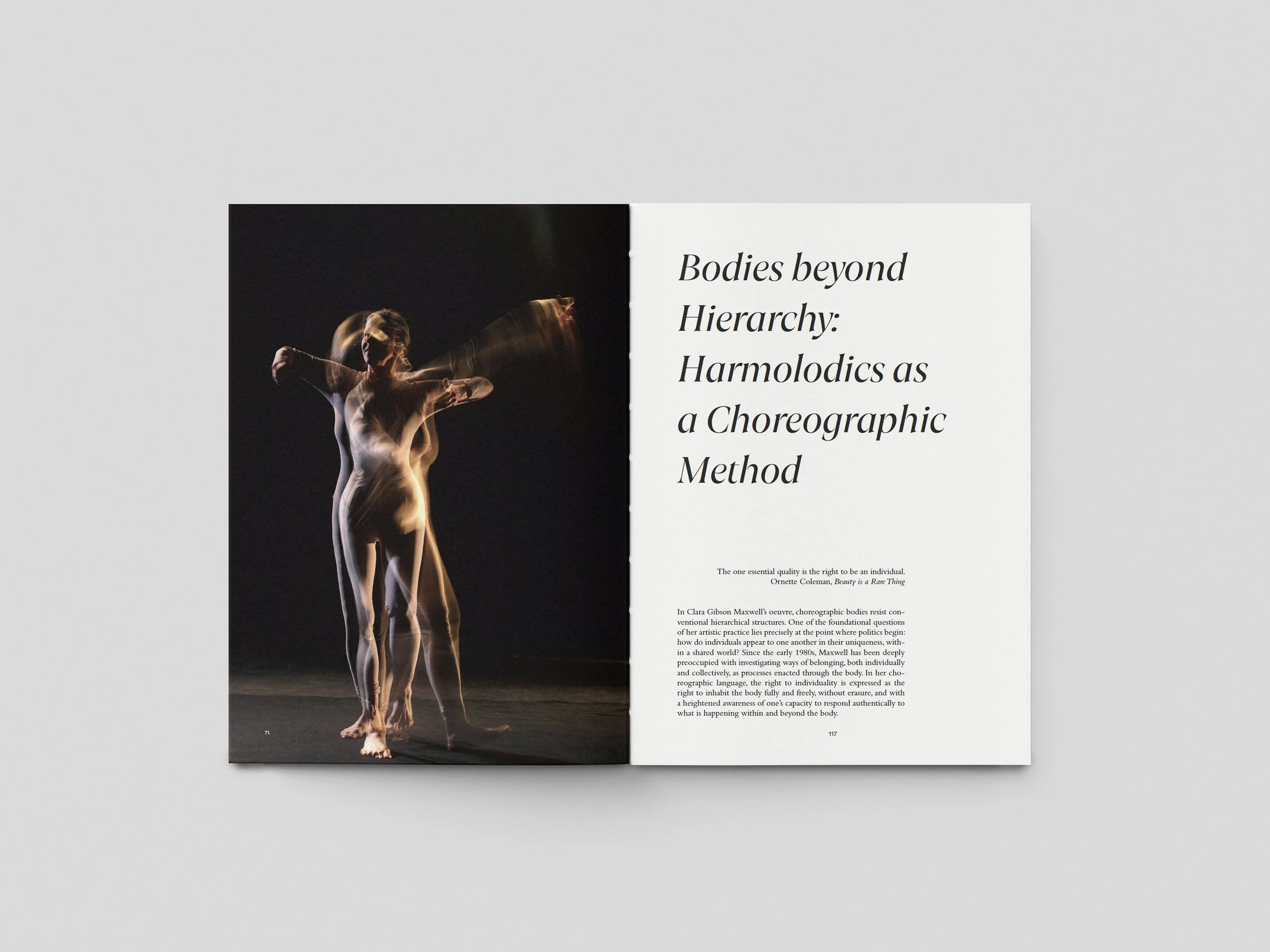
Larisa Oancea, Clara Gibson Maxwell: Dancing on the Edge, The Film Gallery, 2026, double-spread from the publication